

Breast Cancer Metastasis to the Lungs: Early Detection Improves Outcomes
When breast cancer spreads to the lungs, it is usually classified as advanced or stage 4 breast cancer. Around 60% of patients experience metastasis to other organs such as the bones or lungs. Patients with triple-negative breast cancer tend to have a higher chance of lung metastasis compared to other types.
Symptoms of Breast Cancer Metastasis to the Lungs
Symptoms often resemble other respiratory diseases, so further testing is needed for confirmation. Common symptoms include:
- Persistent cough that does not resolve
- Coughing up blood or blood-tinged sputum
- Shortness of breath or difficulty breathing
- Chest pain or tightness
Diagnosis of Lung Metastasis from Breast Cancer
To confirm whether cancer has spread to the lungs, doctors commonly use the following tests:
- CT Scan: Provides detailed images of the chest to detect tumors
- PET Scan: Shows cancer activity in the lungs
- Sputum cytology: Looks for cancer cells in sputum
- Lung biopsy: Confirms the presence of cancerous cells in lung tissue
Treatment Options for Breast Cancer Spread to the Lungs
Once metastasis reaches the lungs, treatment typically focuses on controlling the disease, relieving symptoms, and improving quality of life.
1. Chemotherapy
Destroys cancer cells and slows tumor growth. If initial medications are ineffective, alternative drugs may be considered.
Suitable for patients whose cancer expresses specific targets. These drugs attack cancer cells selectively without harming healthy cells.
3. Hormonal Therapy
Used for patients with hormone-receptor-positive cancer. If tamoxifen fails, aromatase inhibitors (AI) such as Femara or Arimidex may be used. Premenopausal women may require ovarian suppression.
Boosts the immune system to fight cancer, reduce tumor spread, and shrink existing lesions.
5. Localized Treatment
Used in specific cases with severe symptoms, including radiation therapy, surgery, or draining excess fluid in the lungs (pleural effusion).
Follow-Up Care
Patients with advanced breast cancer should undergo regular evaluations, including:
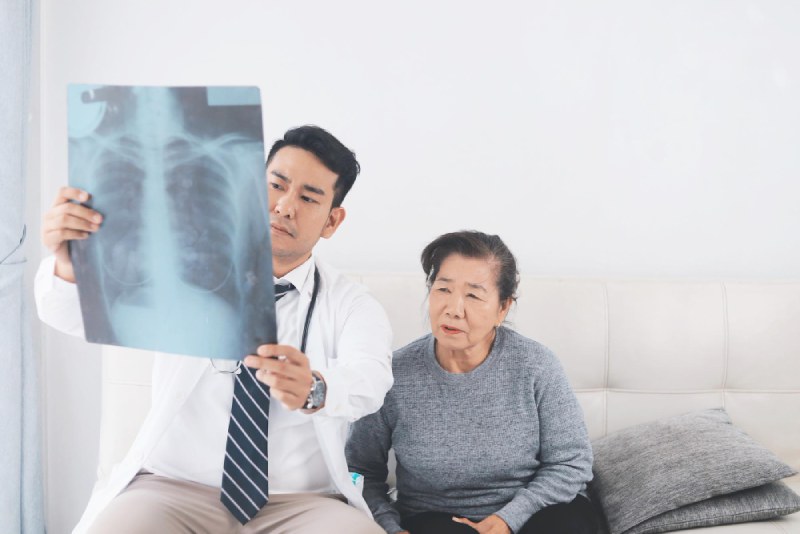
- Chest X-ray
- Blood Tests
- Continuous clinical assessment
Self-Care and Support for Patients
Alongside medical treatment, self-care plays an important role:
- Eat a balanced diet that strengthens the immune system
- Engage in light exercise to improve lung function and physical strength
- Maintain mental well-being through counseling, family support, or patient support groups
summarize
When breast cancer spreads to the lungs, timely and appropriate treatment is crucial. Several effective options are available, including chemotherapy, targeted therapy, hormonal therapy, and immunotherapy. Early detection and comprehensive care can improve quality of life and help extend survival.


 EN
EN  TH
TH  MY
MY  KM
KM