Radiotherapy is a common and effective treatment used to target and destroy cancer cells precisely. Many patients feel anxious before their first session. Understanding the process and possible effects can help you feel more prepared and confident.
Does radiotherapy hurt? Is it dangerous?
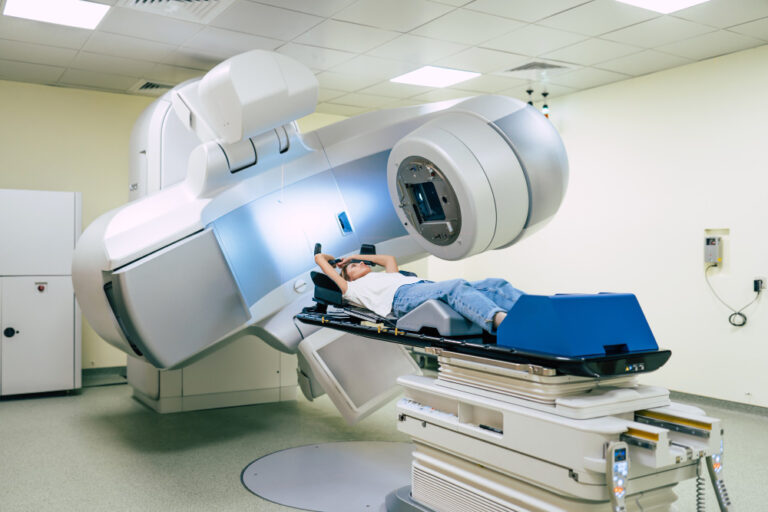
Radiotherapy is painless. During treatment, you simply lie still on the treatment table while the machine moves around you. The actual radiation delivery usually takes 5–15 minutes.
It is a localized treatment planned carefully to minimize effects on surrounding healthy tissue. Importantly, radiotherapy does not leave radiation in your body, and it is safe to be around others.
Will you feel anything on the first day?
Most patients do not feel immediate side effects on the first day. If side effects occur, they usually develop gradually after several sessions and depend on the treatment area.
Possible Side Effects
Common early effects:
Fatigue and weakness
Skin in the treated area may become darker, dry, red, or mildly irritated
Breast area: skin darkening, tightness, or irritation in breast/underarm
Head and neck: dry throat, difficulty swallowing, throat irritation
Abdominal area: nausea, loose stools, or abdominal discomfort
Most side effects gradually improve after completing radiotherapy.
How to prepare for your first radiotherapy session
Get enough rest and sleep
Eat balanced meals with adequate protein and drink enough fluids
Wear soft, loose clothing that does not rub the treatment area
Avoid applying creams, powders, or deodorants to the treatment area before the session unless approved by your doctor
Follow instructions from the radiation oncology team carefully
Reassurance
Radiotherapy does not make you radioactive
You can safely interact with family members
Your healthcare team will monitor your condition closely and adjust treatment as needed
Your first radiotherapy session may feel worrying, but the procedure is safe, painless, and localized. Proper preparation, rest, and following medical advice will help your treatment proceed smoothly and effectively.




 EN
EN  TH
TH  MY
MY  KM
KM