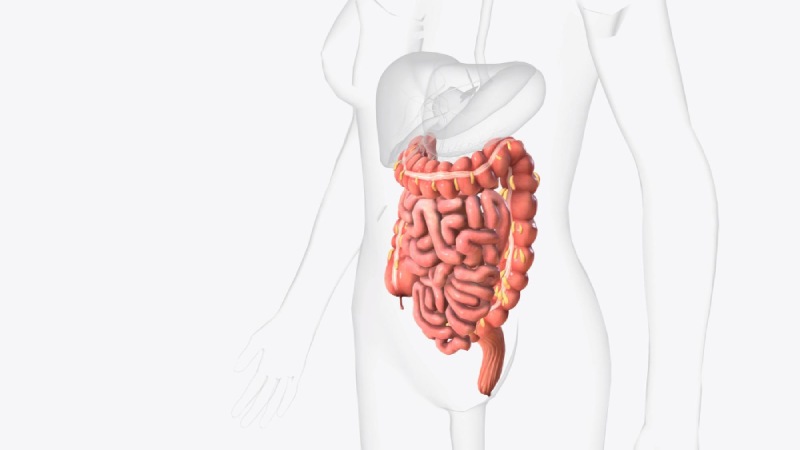
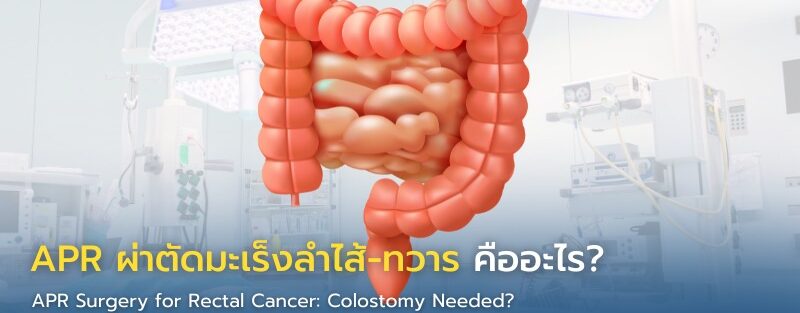
Abdominoperineal Resection (APR) is a surgical procedure used to treat cancers located at the very end of the digestive tract, particularly in the lower rectum and anal canal. This surgery involves removing the sigmoid colon, rectum, anus, and anal sphincter muscles, and as a result, the patient requires a permanent colostomy.
Cancers Treated with APR:
APR is an option for treating very deep or metastatic cancers in areas where bowel movements cannot be preserved, such as:
1. Anal Cancer
When chemoradiotherapy fails or the cancer recurs.
2. Low Rectal Cancer
Tumors that are too close to the anus, where preserving normal defecation is not possible.
3. Locally Advanced Cancer
Tumors that invade the anal sphincter, pelvic wall, or surrounding tissues.
APR Surgical Steps:
Removal of the distal colon and rectum through the abdomen
Excision of the anus and surrounding tissues through the perineum
Formation of a permanent colostomy on the abdominal wall
Suturing of the anal area to close the natural outlet
Pros and Considerations
Benefits
May completely remove cancer
Prevents local recurrence
Suitable for late-stage cases
Precautions
Requires lifelong colostomy care
May impact self-image and mental health
Major surgery with a long recovery
APR is an important surgical option for treating rectal or anal cancer when the tumor location or progression makes sphincter-preserving surgery impossible. Though it results in a permanent colostomy, it can be life-saving and curative in selected cases. Patients are encouraged to consult with a colorectal cancer specialist to determine the best course of treatment for their condition.




 EN
EN  TH
TH  MY
MY  KM
KM